


Inside Out 2 and the emotional experience of puberty

Pixar released Inside Out in 2015. Told from the perspective of the emotions that influence her actions, it is the story of how 11-year-old Riley deals with her world being turned upside down when her family moves to a new city.
An entertaining film, it is an insightful look into the inner workings of a child’s mind.
Inside Out 2 comes out on the 14th of June, with 13-year-old Riley grappling with the onset of puberty and the new emotions that brings.
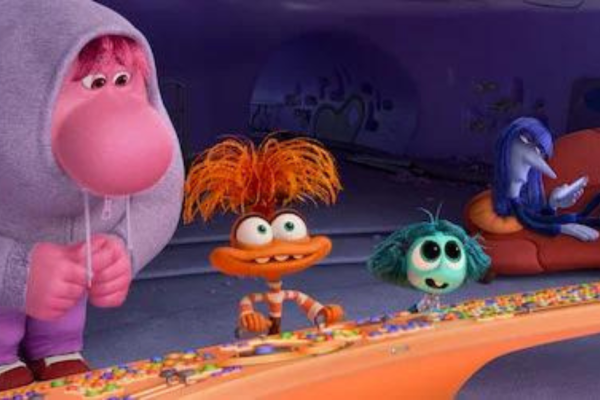
Let’s look at the new emotions introduced in the trailer and what they can tell us about puberty.
Anxiety
Anxiety is the first new emotion we’re introduced to. Anxiety is trying to get Riley motivated to do something, but she’s not really sure what the next step is.
Which is the thing about anxiety. It’s there trying to help, but it doesn’t know how to do it.
Although we think of anxiety as a negative emotion, it can be helpful. It helps us question ourselves, check in with ourselves that we’re doing the right thing in the right situation.
We all experience healthy levels of anxiety, it’s important not to confuse that with higher levels that may show anxiety disorders.
Envy
Next up, envy! Although people use envy and jealousy interchangeably, they are different.
Envy isn’t the feeling of being jealous or angry over something you want, but don’t have. It’s a way of looking around you and relating to parts of other people. Of empathising and wanting to have what others have.
It can be motivational. If we’re not feeling good enough right now, it can drive us to build something that we want. Without taking it away from someone else.
Ennui
Ennui isn’t the same as boredom. Ennui is a combined sense of tiredness, boredom and dissatisfaction.
In puberty it’s common to feel out of sorts, unsure of what we want or how to get it. This isn’t just an emotional connection to puberty, but to how we change physically.
We get taller, our appearance changes, we feel morose and tired because our bodies are going through so much. There is a biological shift in our circadian rhythms, shifting our physiological sleep periods later. No wonder teenagers feel tired and dispirited.
Embarrassment
Last, we have embarrassment. Shown trying to shrink away and hide itself as it doesn’t know how to act, who to be.
In puberty we can feel big, overwhelmed with how we look and the way it’s changing. We’re growing physically and emotionally. Sometimes we want to hide ourselves away, but ultimately we can’t.
If you’re big, you’re big. If you’re you, you’re you. As the old saying goes, “wherever you go, there you are.”
Embarrassment here shows how we try to contain ourselves so we’re not seen or judged, giving us time to figure things out.
The trailer shows the importance of updating our emotions as we grow and change, and the danger of suppressing older feelings when new emotions arise.
That suppression makes sense when we’re teenagers, learning anew what makes us happy or sad. But suppressing those emotions through life would stop us growing and learning that all emotions are important to us.
If you know a teenager who’s struggling with their emotions, the mental health charity Mind has produced this guide to understanding their feelings for 11-18-year-olds.
Start Therapy Today
Browse our therapists and connect with the right person to start your journey with - from today.
- All therapists listed are fully vetted
- Dedicated, passionate and honest
- Ready to take that first step with you