



Living in the UK with a different heritage can bring up hesitation when thinking about starting therapy.
You might wonder:
Will my therapist come from a background that reflects dominant society?
Will they understand me or relate to my differences?
These are valid concerns.
Many people want a therapist who meets them where they are without needing to explain their culture from the beginning or reshape their experience to fit the therapist’s lens.

Intercultural therapy offers a space to reflect and reposition. Your experiences are not just heard but deeply understood.
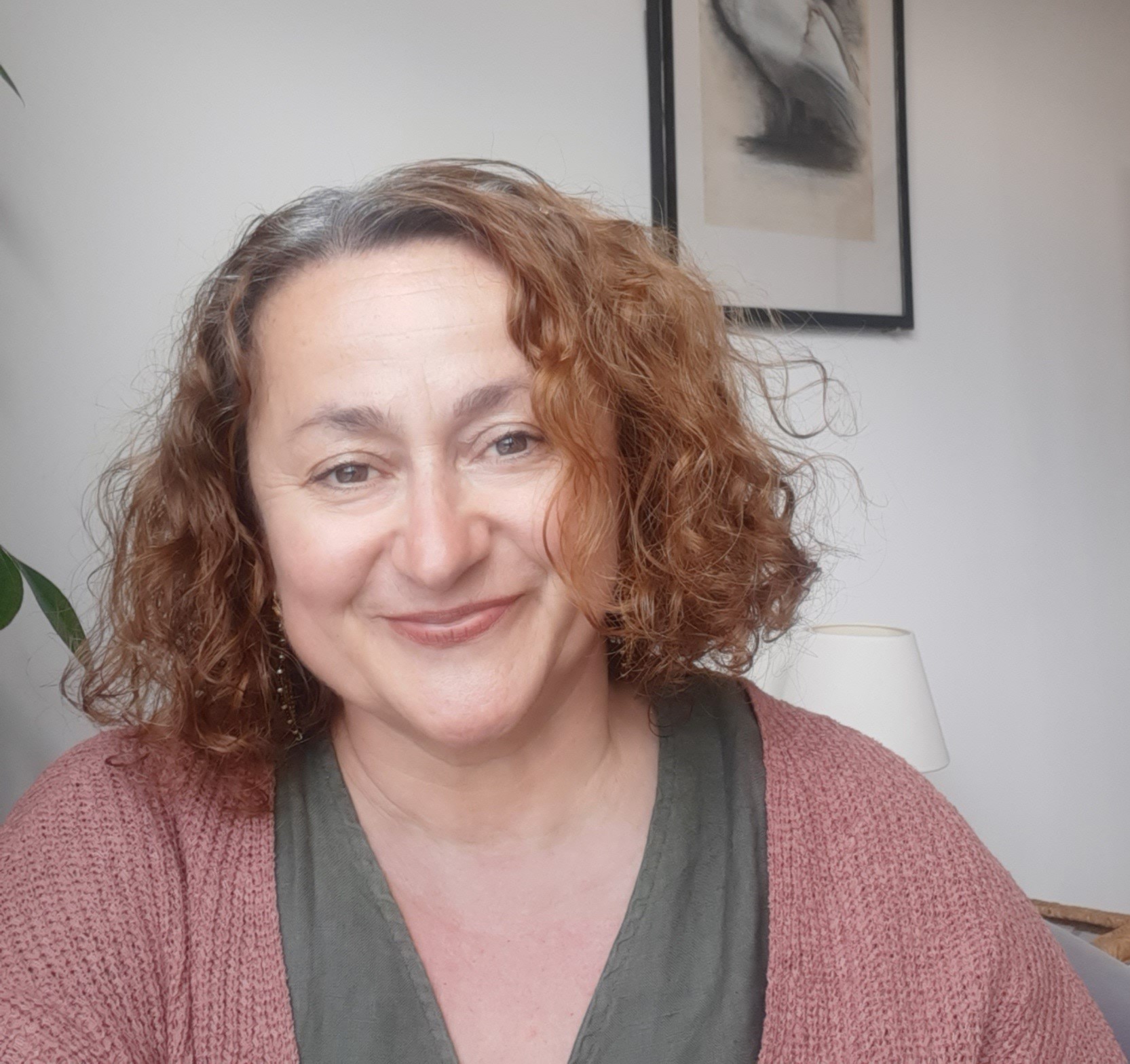
| When I was a client in therapy, I often longed for a space where I could show up fully without feeling “less than” compared to the therapist.
I held back with therapists who didn’t understand the weight of immigration, the complexity of speaking in a different language, or the absence of privilege. Therapy has evolved and become more diverse, but many therapists are still trained within frameworks shaped by dominant cultural and academic traditions.
Most therapy models are rooted in Western psychological theories, often developed by male scholars from majority backgrounds. Intercultural therapy was founded over 40 years ago in London to challenge this offering a different lens that honours cultural difference and lived realities
You may come to therapy with questions like:
What does it mean to not have English as your first language? To not grow up with certain privileges? Shame and self-doubt can surface when you feel you must explain your culture just to be understood.
As a client seen by therapists from dominant cultures, I often found myself seeking approval trying to fit into a space that mirrored societal expectations.
I worked twice as hard to be seen, and often my therapist wasn’t aware of that extra emotional labour. Even before I became a therapist, I knew I wanted something different or myself and for others who shouldn’t have to struggle so much just to be understood.
I wanted to offer therapeutic services where clients could relate to their therapist without that extra burden.
Therapy must welcome both difference and similarity. It must allow us to speak up with less fear, less effort, and more dignity.

So what can you expect when starting Intercultural Therapy?
Your story is welcomed in all its complexity. You don’t have to leave any part of yourself outside.
- Living Between Worlds:
You may feel overwhelmed or lonely, missing family and familiar connections. Therapy offers a space to hold these emotions without judgment, helping you navigate the tension of belonging to two or even three cultural worlds.
- Exploring Identity and Hidden Lives:
You begin to understand and accept all parts of yourself your cultural expressions, your gender, and your need to be seen without feeling “less than.” Therapy also offers a safe space to explore relationships or life choices that may not be accepted by your family or community abroad.
- Cultural Distance and Loss:
You may feel disconnected not only from wider society, but also from family spread across countries. Therapy helps you balance your old and new lives and process grief, separation, and the emotional complexity of living between worlds.
- Building Self-Trust:
You begin to hold your experiences with strength and tenderness. Therapy supports you in finding your voice, reconnecting with your values, and recognising that your story matters not just the pain, but the richness too.