



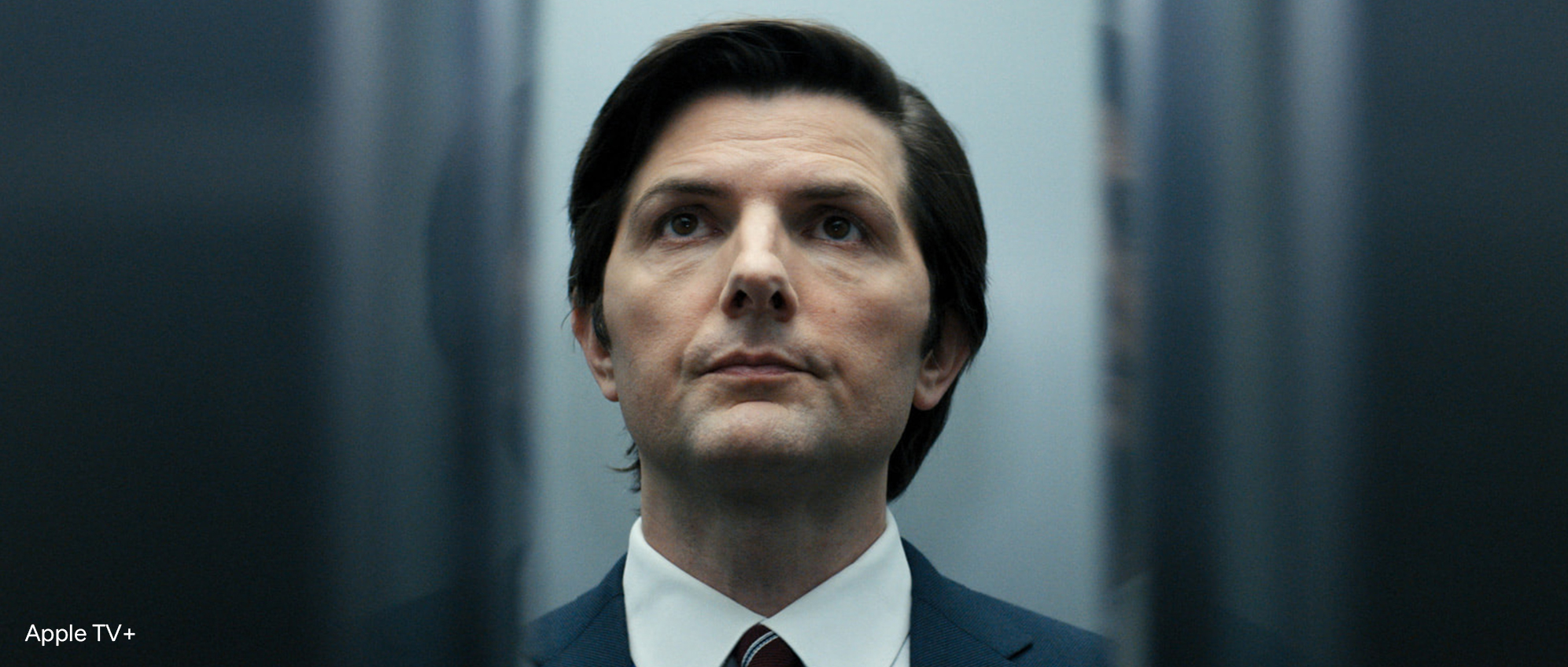
Like many of us, I have been catching up on Severance and enjoying it. Watching the first season made me think about the nature of grief and how we deal with it. The sense of desperation to escape it. And the desperation of others to hold on.
We are introduced to the reality of grief by Mark in the first scene of season 1.
He is crying in his car before work. We then see him enter work and his work part getting activated, a part of him that has no memories of anything other than the experiences he has had at work.
As a therapist who has worked with people who grieve, the choice of having a part of them separated for work made perfect sense. A lot of people who experience grief find it overwhelming.
The struggle between two states of being:
- One that is desperate to hold onto the person they have lost
- Another that is desperate to escape the overwhelming feeling of grief.
Grief can feel like a living thing.
It ebbs and flows, changing size and sharpness, sometimes overwhelming to the point of drowning a person.
Other times it can leave us with a sense of drifting or floating, untethered and directionless. We don’t spend our whole time crying or even actively thinking about our loss, but we are still always aware. We often feel guilty for moments of relief or happiness, as it feels like a betrayal.
Yet, grief is also incredibly tiring. When clients come to see me in therapy all they want is a way to make it stop.
Therapy is not a chip in the brain that allows us to switch over to a grief-free person to allow some form of respite.
Sometimes, especially in the early days, it’s a space for all the grief to come up, somewhere where some of the pressure that gets built up through holding it together in the outside world can be released.
Therapy offers a way towards creating containment for the grief so that it does not have to influence every aspect of your life. It can also be a space where someone can bear witness to your grief who does not judge or hold expectations of how that grief should look and is not grieving themselves.
Working through grief does not have to be the same as letting go of the person you lost.
They will always be a part of you if you want them to be.
Therapy is about shifting that grief and allowing a more positive relationship towards the person you lost and the new world that you have to tackle without them.