


How Do You Cope With Grief And Loss While Rebuilding Belonging?

Coping with grief and loss becomes harder when you are also trying to find your footing inside a family or community that does not feel fully yours yet. Research consistently shows it is connection, not willpower or time alone, that moves people through loss and helps them feel like they belong again.
A Streaming Hit Is Quietly About Belonging After Loss
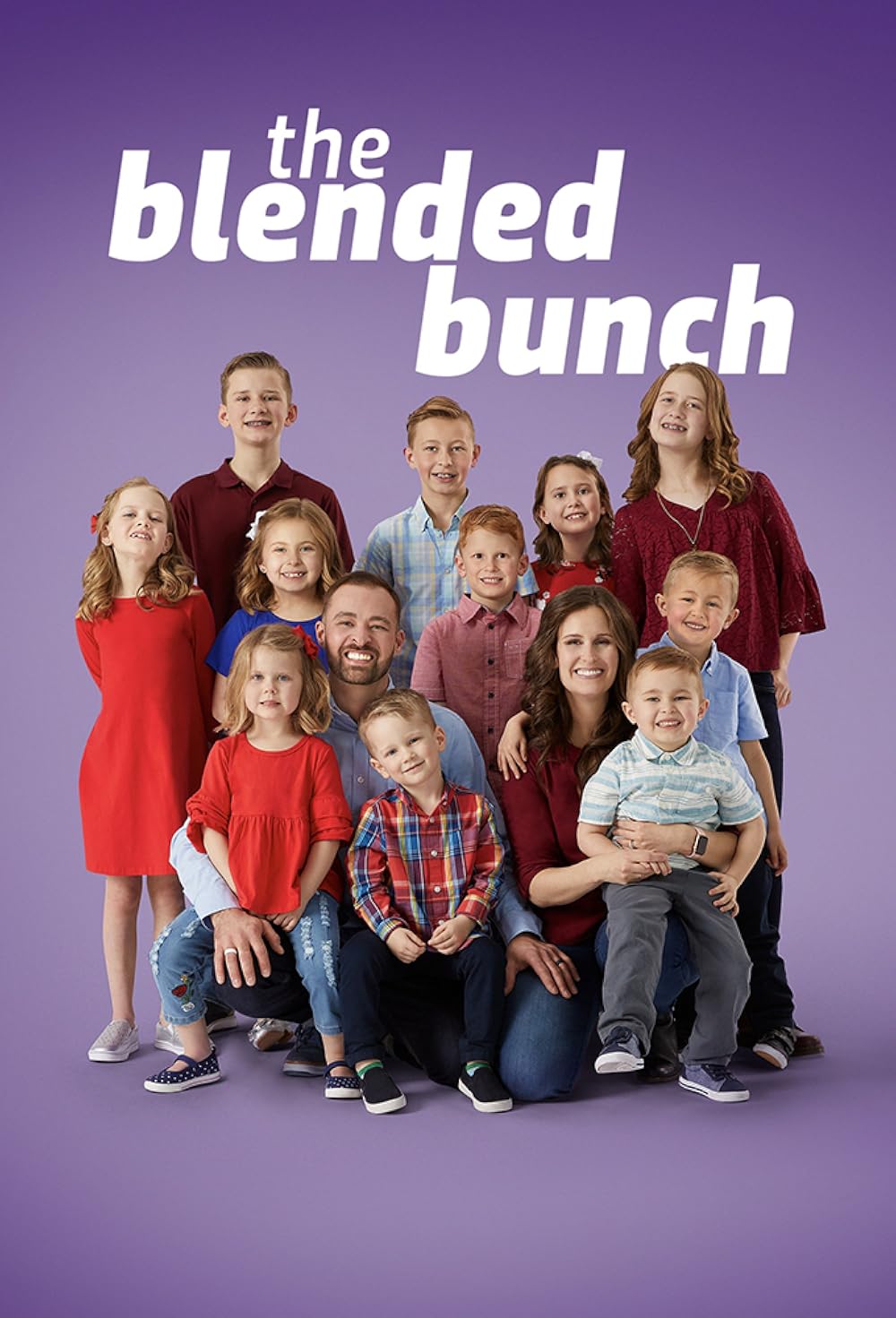
The third season of The Blended Bunch has people talking again, following a teenager rebuilding her life inside a large blended family after losing her parents. The marketing leans on the love triangle, but the emotional engine underneath is something else: what it actually takes to belong somewhere new while you are still grieving what you lost. That tension is far more common than the show format suggests, and it applies well beyond blended families, to anyone adjusting to a new chapter after loss, from divorce to bereavement to a major move.
Group Connection Measurably Eases Prolonged Grief
A 2025 systematic review and meta-analysis of twelve studies on group therapy for prolonged grief found that structured group approaches, particularly cognitive behavioural, dual process, and compassion focused formats, consistently reduced prolonged grief symptoms alongside related distress like depression and anxiety (Moray et al., 2025, DOI: 10.1080/07481187.2025.2559725). The review's authors note that group therapy works partly because it supports emotional expression and social bonds directly, which is exactly the mechanism that individual willpower cannot substitute for.
Feeling Like You Belong Predicts How Distressed You Feel
Separate research measuring social connectedness among adults in Milwaukee found that neighbourhood cohesion, support from family, and a sense of contributing something meaningful were all independently associated with significantly lower psychological distress, even after adjusting for income, health, and other factors (Hsu et al., 2026, DOI: 10.1016/j.jad.2026.121235). Belonging, in other words, is not a soft add-on to grief recovery, it is one of the more measurable protective factors researchers can find. If you are working through loss and the family structure around you is also shifting, our bereavement page and family counselling may both be relevant starting points.
Informal Support Networks Do Real Work Too
Qualitative research with women navigating stillbirth loss found that informal online support communities functioned, in participants' own words, like "a village," offering safety, accessibility, and connection during a period when formal support felt harder to reach (Sternbaum et al., 2026, DOI: 10.1016/j.midw.2026.104932). This study focused specifically on stillbirth bereavement, so it should be read as one illustration rather than a universal finding, but the broader pattern, that people instinctively reach for a "village" during loss, echoes across the wider grief literature.
What A Realistic Support System Actually Looks Like
You do not need dozens of people around you to cope with grief and loss well. You need a small number of people, sometimes just one, who do not flinch when you bring up the hard stuff. If that person does not exist in your life right now, that gap is worth naming directly with a counsellor rather than waiting for it to resolve on its own.
Isolating After LossConnecting After LossRelies on willpower and time aloneRelies on relationships and shared supportGrief symptoms tend to persist longerProlonged grief symptoms measurably easeBelonging has to be figured out aloneBelonging is built with others, gradually
Have you ever grieved something while also trying to prove you deserve your place somewhere new?
Related reading
- Bereavement
- Attachment Disorder
- Miscarriage: Navigating the Devastating Emotional Impact
Are you considering starting therapy? Find your perfect counsellor today.
Start Therapy Today
Browse our therapists and connect with the right person to start your journey with - from today.
- All therapists listed are fully vetted
- Dedicated, passionate and honest
- Ready to take that first step with you